

Choosing the right venue for a corporate event sounds simple on paper. In practice ? It’s where most off-sites quietly fall apart. Wrong location, fuzzy logistics, a room that kills the vibe by 11am – and suddenly your two-day seminar feels like a long Monday meeting with worse coffee.
So before you sign anything, let’s talk about what actually matters. I’ve seen seminars work brilliantly in barns and flop spectacularly in five-star hotels, so trust me, the price tag isn’t the answer. If you want a shortcut, agencies like https://easy-day.fr handle the venue scouting and logistics for you, which honestly saves a lot of headaches when you’re juggling 40 people and a tight deadline. But even if you go solo, the criteria below stay the same.
Start with the goal, not the venue
 This is the mistake I see most often. Someone falls in love with a château on Instagram, books it, then tries to figure out what the seminar is actually about. Bad order.
Ask yourself first : what’s the point of this seminar ? Strategic alignment ? Team bonding after a rough year ? Onboarding a wave of new hires ? Each goal calls for a totally different setup.
A working seminar with intense brainstorming sessions needs a quiet, functional space with proper meeting rooms. A team building event after a merger ? You need atmosphere, shared meals, maybe a fireplace. Not the same thing at all.
Location : closer than you think
Everyone wants to go far. Provence, the Alps, the Basque coast. Sounds great in the brief. Then you do the math on travel time and budget, and suddenly half the day one is gone.
Honest rule of thumb : under 2 hours by train or car from your main office, you’re safe. Beyond that, you start losing productive time and gaining logistical chaos. Unless your seminar lasts 3+ days, staying regional is almost always smarter.
And don’t underestimate train access. A venue 1h from Paris by car can become 3h with traffic on a Friday. A venue near a TGV station ? Predictable, repeatable, way less stress.
Capacity and modularity
Check this carefully. A venue that “fits 50 people” usually means standing-room cocktail mode. Seated dinner ? Half that. Plenary session with screens ? Less again.
What you really want to know :
- How many people fit comfortably in the main room, theatre-style
- How many breakout rooms are available, and at what extra cost
- Whether the same space can switch from work mode to dinner mode without a 2-hour reset
That last point is underrated. A flexible venue saves hours and keeps the energy going. A rigid one forces awkward downtime where everyone scrolls their phone.
Sleeping on site or off site ?
Big debate. Personally, I’m team “on site” whenever possible. The magic of a seminar often happens after dinner – the late chats at the bar, the impromptu working group around a coffee table at 11pm. If half your team has to drive 20 minutes back to a hotel, that magic dies.
That said, on-site accommodation costs more, and not every venue has enough rooms. If you have to split, keep the hotel within walking distance. Shuttles are a logistical nightmare and nobody enjoys them.
The food question (yes, it really matters)
Underrated factor. People remember the food. They forget the slides.
Ask for the actual menu, not the marketing brochure. Ask about dietary restrictions – vegetarian, gluten-free, halal – because in 2026, “we’ll do our best” is not an answer. Ask if meals are served on site or catered from outside, and check the timing. A seminar where lunch arrives 45 minutes late kills the afternoon.
And the coffee. Seriously. Bad coffee at 9am sets the tone for the whole day.
Tech, wifi, and the boring stuff that ruins everything
Test the wifi before booking. Don’t take their word for it. A 50-person seminar where the video call drops every 10 minutes is a disaster you’ll be apologising for months later.
Other things to check, and I mean really check :
- Number of power outlets in the main room (laughably underestimated everywhere)
- Quality and size of screens, plus a working clicker
- Air conditioning that actually works in summer, heating in winter
- Natural light – a windowless room destroys energy by 3pm
You’d be surprised how many “premium” venues fail on at least two of these.
Atmosphere matters more than stars
A four-star hotel can be soulless. A renovated farmhouse with character can be unforgettable. The “wow effect” on arrival sets the tone for the whole event.
What creates atmosphere ? Architecture with personality, outdoor space if the weather plays along, a bar or a cosy lounge for informal moments, and ideally something distinctive – a view, a garden, a beautiful old library. Generic conference centres do the job, but they don’t create memories.
Is it worth paying more for atmosphere ? Honestly, yes, within reason. People remember the place. They share photos. It contributes to the seminar’s impact long after it’s over.
Budget : what does a corporate seminar venue really cost ?
Big range here, but rough orders of magnitude in France for a 2-day, 1-night seminar with full board :
- Entry level : 150 to 250€ per person per day, basic conference hotel
- Mid range : 250 to 400€ per person per day, characterful venue with decent food
- High end : 400 to 700€+ per person per day, exceptional location, top-tier service
These figures cover the venue, accommodation and meals. Add team building activities, transport and equipment rental on top. Always ask for an all-inclusive quote – it avoids nasty surprises when the invoice lands.
Visit before booking. Always.
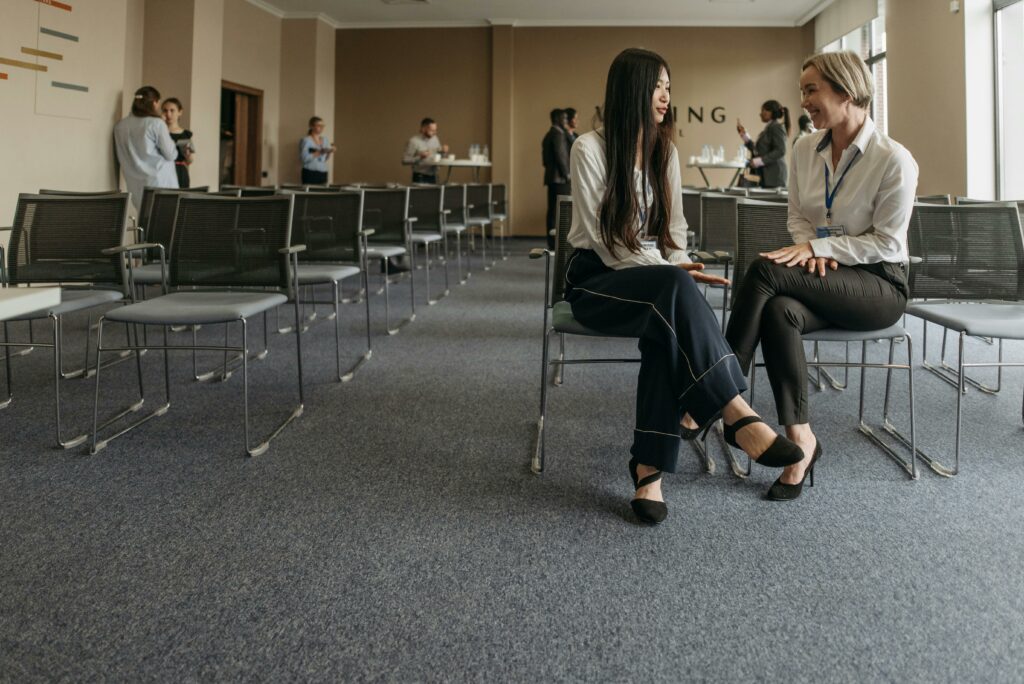 Photos lie. Or rather, photos are taken at golden hour with a wide-angle lens by someone who knows what they’re doing. The real venue might be smaller, darker, or right next to a noisy road.
If you can’t visit in person, ask for a video tour in real time. Walk them through the spaces you care about. Ask to see the actual rooms attendees will sleep in, not the suite reserved for the showroom. Check the bathrooms. Sounds petty, isn’t.
Red flags to walk away from
Quick checklist of warning signs that should make you reconsider :
- Vague answers about cancellation policy
- No clear contact person on the day of the event
- Refusal to send recent client references
- Hidden fees popping up after you’ve shown interest
- Outdated photos and a website that hasn’t moved in 5 years
None of these are dealbreakers individually. Two or more ? Keep looking.
The honest takeaway
The ideal venue isn’t the most expensive, the most photogenic, or the most distant. It’s the one that fits your goal, your team size and your budget, with logistics that won’t blow up in your face. Spend more time on the brief than on the search, and you’ll naturally narrow down to the right shortlist.
One last thing : book early. The good venues, the ones that combine character, capacity and proper service, are usually reserved 6 to 9 months ahead. Especially in spring and autumn, the peak seminar seasons. Last-minute almost always means compromise.